Effective e-commerce marketing strategies to build brands, increase visibility, attract customers, and drive online business growth.
In today’s fast-paced digital age, building a brand through e-commerce marketing is more crucial than ever. With millions of online stores competing for attention, businesses must adopt smart strategies to stand out and connect with their audience.
Here, Digital Marketing Tips will show you how e-commerce marketing isn’t just about selling products it’s also about creating memorable brand experiences that build trust, loyalty, and long-term success.
Understanding the Basics of E-Commerce Marketing
E-commerce marketing refers to the strategies and techniques used to promote products or services through online platforms. It includes various channels such as search engines, social media, email campaigns, and paid advertising. Each of these channels plays a unique role in reaching potential customers and guiding them through the buying journey.
At its core, e-commerce marketing focuses on visibility and engagement. Without proper visibility, even the best products may go unnoticed. That’s why businesses need to optimize their online presence using search engine optimization SEO, compelling content, and user-friendly website design.
Creating a Strong Brand Identity Online
A strong brand identity is essential for standing out in the crowded e-commerce space. It goes beyond logos and colors—it represents the values, voice, and personality of your business. Consistency in branding helps customers recognize and remember your store.
Your website is often the first point of contact between your brand and potential customers. Therefore, it should reflect your brand identity clearly. From the layout to the tone of your content, everything should align with your brand message. Visual elements also play a significant role.
Also Read: Building A Content Marketing Strategy From Zero To Success
Leveraging Digital Channels for Growth
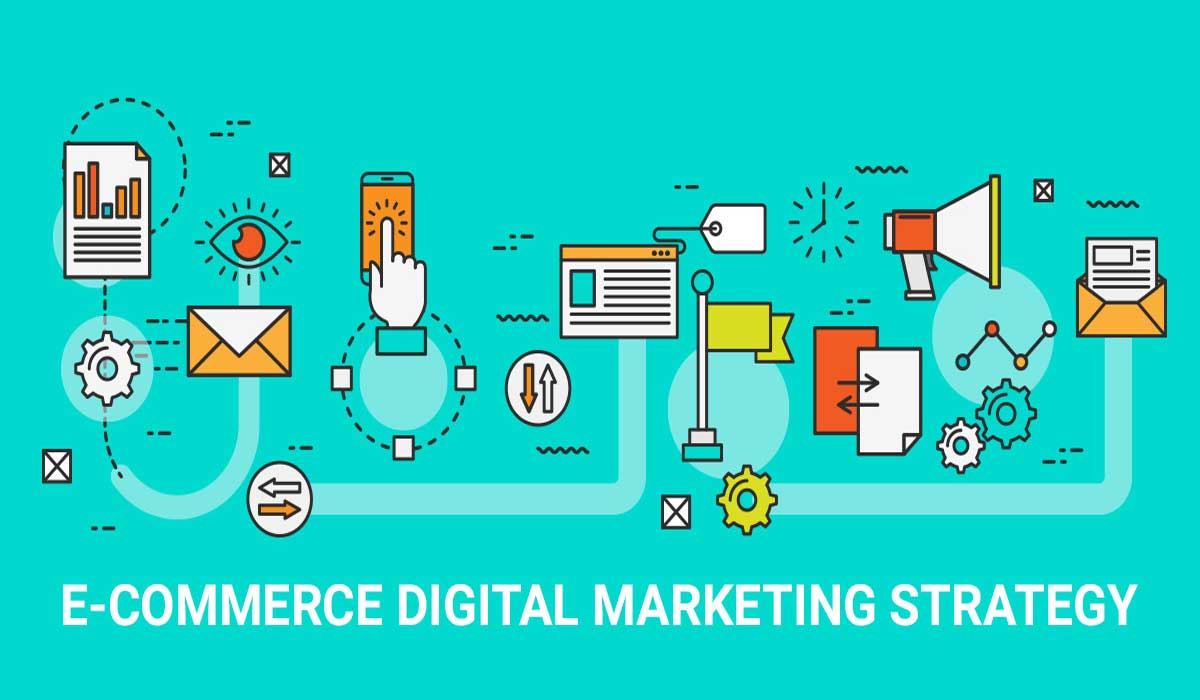
Digital channels are the backbone of e-commerce marketing. Social media platforms, for example, allow businesses to interact directly with their audience and build relationships. Platforms like Instagram, Facebook, and TikTok are especially effective for showcasing products and engaging users.
Search engine marketing is another powerful tool. By optimizing your website for search engines, you can attract organic traffic from users actively searching for your products. Paid ads can further boost visibility and drive targeted traffic to your store. Email marketing remains one of the most effective channels for customer retention.
Enhancing Customer Experience and Trust
Customer experience plays a crucial role in e-commerce success. A smooth and enjoyable shopping experience encourages customers to return and recommend your brand to others. This includes fast-loading pages, easy navigation, and a secure checkout process.
Trust is another important factor. Customers need to feel confident when making online purchases. Providing clear product descriptions, customer reviews, and transparent policies helps build credibility and reduce uncertainty. Responsive customer service also enhances trust.
Using Data and Analytics to Improve Strategy
Data and analytics are essential tools for optimizing e-commerce marketing efforts. By analyzing customer behavior, businesses can gain valuable insights into what works and what doesn’t. This allows for more informed decision-making.
Tracking metrics such as website traffic, conversion rates, and customer retention helps identify areas for improvement. For example, if many visitors leave your site without making a purchase, it may indicate issues with user experience or pricing.
Conclusion
E-commerce marketing is a powerful tool for building a brand in the digital world. By understanding the basics, creating a strong identity, leveraging digital channels, enhancing customer experience, and using data effectively, businesses can achieve sustainable growth.
Success in e-commerce requires consistency, creativity, and a customer-focused approach. With the right strategies in place, any business can establish a strong online presence and thrive in today’s competitive marketplace.
Image Source:
First Image from: www.linkedin.com
Second Image from: www.linkedin.com