Boost your business growth with quality content marketing strategies that engage audiences, build trust, and drive consistent results.
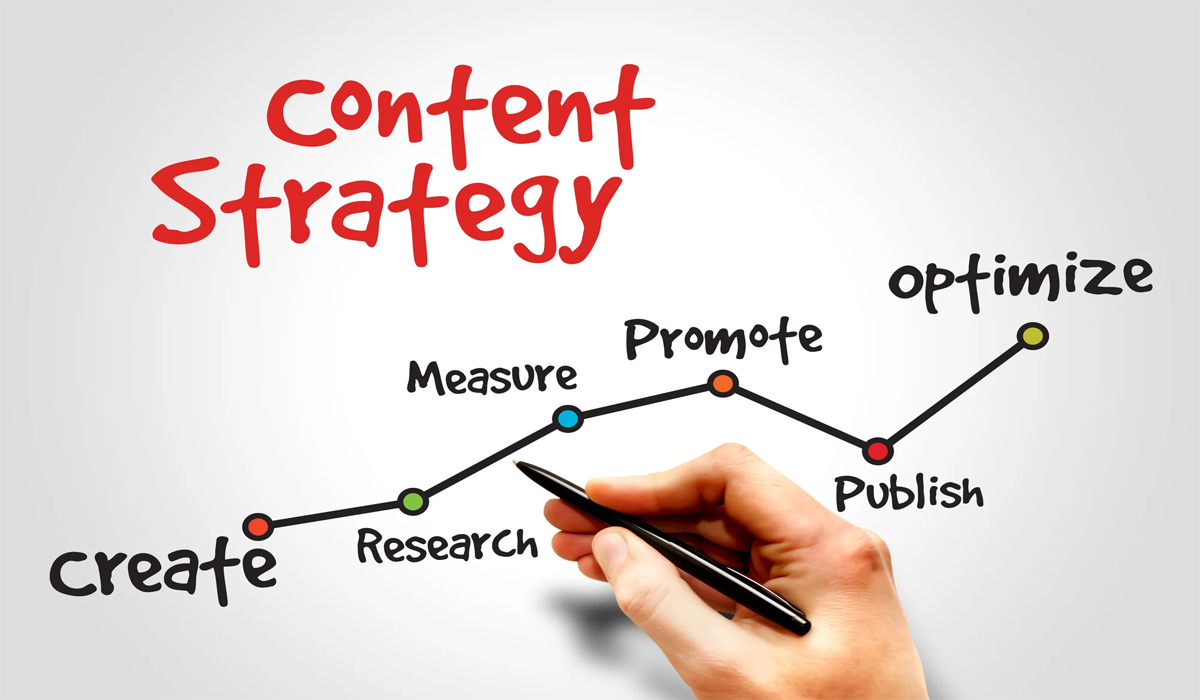
Businesses that invest in high-quality content marketing strategies are able to attract the right audience, nurture relationships, and ultimately increase revenue. However, producing content without a clear strategy can be ineffective and wasteful. To truly maximize your business, it’s essential to implement content marketing strategies that are targeted, measurable, and aligned with your business goals.
Understanding the Role of Content Marketing
Content marketing is the practice of creating and sharing valuable content to attract, engage, and retain a clearly defined audience. Unlike traditional advertising, content marketing focuses on providing useful information that addresses your audience’s needs and pain points.
Blog articles, videos, infographics, social media posts, and eBooks are all examples of content that can educate and inspire potential customers. When done effectively, content marketing not only builds trust and credibility but also positions your brand as an industry leader, increasing the likelihood of conversions and customer loyalty.
Developing a Clear Content Strategy
A successful content marketing strategy begins with clear objectives and a deep understanding of your target audience. Start by identifying your audience’s demographics, interests, and challenges. Next, define measurable goals such as increasing website traffic, generating leads, or boosting social media engagement.
Plan a content calendar to ensure consistent publishing and maintain brand messaging across platforms. By aligning content with audience needs and business objectives, companies can create highly relevant content that resonates with potential customers and supports long-term growth.
Also Read: Boost Your Sales and Customer with Smart E-Commerce Marketing
Creating High-Quality and Engaging Content

Quality content is the cornerstone of effective marketing. It should be informative, engaging, and tailored to the preferences of your audience. Use storytelling techniques, data-driven insights, and visually appealing elements to capture attention and provide value.
Long-form blog articles, how-to guides, case studies. With video tutorials are examples of content that can demonstrate expertise while keeping your audience engaged. Importantly, content should be optimized for search engines to enhance visibility and attract organic traffic, which helps businesses reach a broader audience without heavy advertising costs.
Leveraging Multiple Channels for Maximum Impact
Content marketing is most effective when distributed across multiple channels. Social media platforms, email marketing, websites, and third-party blogs allow businesses to reach audiences wherever they spend time online. Paid promotion, such as sponsored posts or targeted ads, can amplify content reach and attract specific demographics.
Additionally, repurposing content into different formats like turning a blog post into a video or infographic ensures the same message reaches different segments of your audience. An integrated approach increases engagement, strengthens brand recognition, and maximizes the return on your content marketing investment.
Measuring and Optimizing Content Performance
Monitoring the performance of your content marketing efforts is crucial for continuous improvement. Key performance indicators (KPIs) such as website traffic, social media engagement, lead generation, and conversion rates help you assess the effectiveness of your strategy. Analytics tools can track user behavior, highlight top-performing content, and identify areas for improvement.
By analyzing data regularly, businesses can adjust content topics, formats, and distribution strategies to better meet audience needs. Continuous optimization ensures that your content marketing efforts remain relevant, impactful, and aligned with your business growth objectives.
By understanding your audience, developing a clear strategy, producing engaging content, leveraging multiple distribution channels, and continuously measuring performance, businesses can build stronger relationships with customers and drive measurable growth. Investing in content marketing is not just a marketing tactic it’s a long-term strategy that positions your brand as a trusted authority, attracts loyal customers, and ensures sustainable success.