The rapid growth of digital technology has transformed the way businesses interact with consumers.
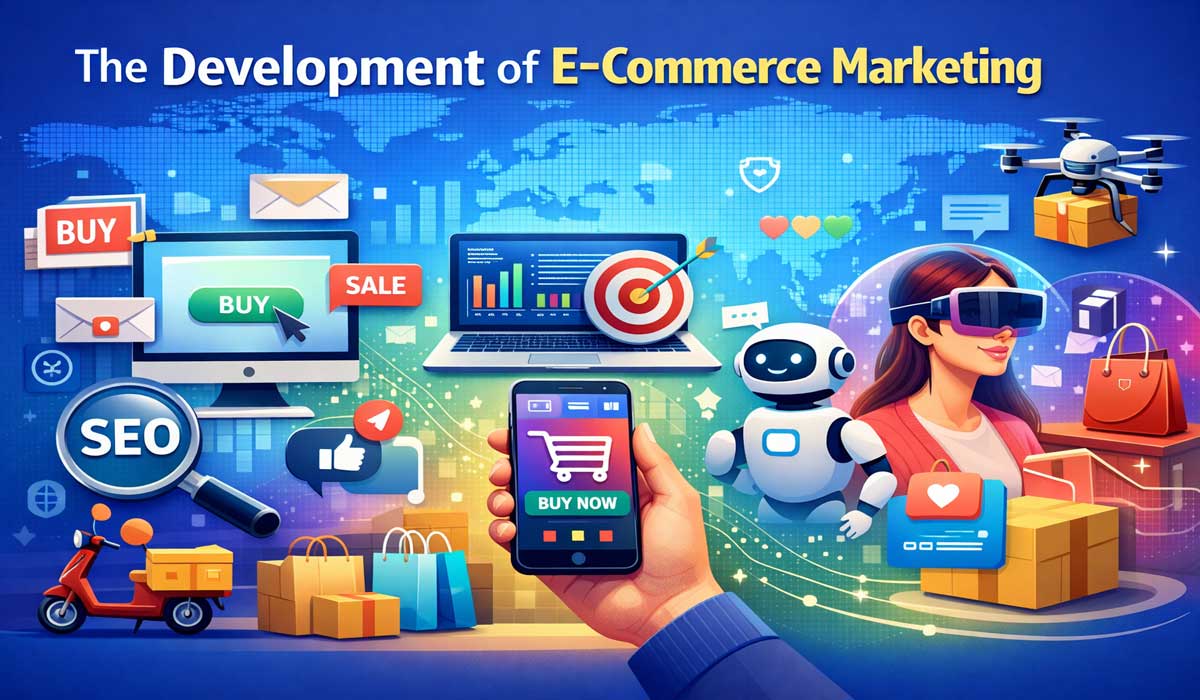
One of the most significant developments in recent decades is the rise of e-commerce marketing. Companies are no longer limited by physical locations, allowing them to reach global audiences with greater efficiency.
Through Digital Marketing Tips, innovative strategies, and data-driven insights, e-commerce marketing continues to evolve, reshaping modern business practices and consumer behavior across industries.
The Early Stages of E-Commerce Marketing
In the early days of the internet, e-commerce marketing was relatively simple. Businesses primarily relied on basic websites and email campaigns to promote products. These methods allowed companies to introduce online shopping to consumers who were just beginning to trust digital transactions.
As internet adoption increased, businesses started experimenting with banner advertisements and search engine listings. Although these techniques were basic compared to today’s standards. They laid the foundation for more advanced marketing strategies that would soon follow.
The Rise of Search Engine and Social Media
The expansion of search engines and social media platforms significantly transformed e-commerce marketing. Companies began optimizing their websites to appear in search engine results, giving rise to Search Engine Optimization (SEO) and paid advertising strategies.
At the same time, social media platforms created new opportunities for businesses to engage with customers. Brands could now communicate directly with their audience, share product updates, and build communities around their products. This shift allowed marketing to become more interactive and relationship-driven.
Read Also: Using Social Media for Business Development
Data-Driven Marketing and Personalization
As technology advanced, data analytics became a powerful tool in e-commerce marketing. Businesses started collecting data about customer behavior, preferences, and purchasing patterns. This information allowed companies to design more targeted and effective marketing campaigns.
Personalization soon became a key element of strategies. Online stores began recommending products based on browsing history and previous purchases. By delivering relevant content to individual users, businesses could increase customer satisfaction and improve conversion rates.
The Impact of Mobile Commerce
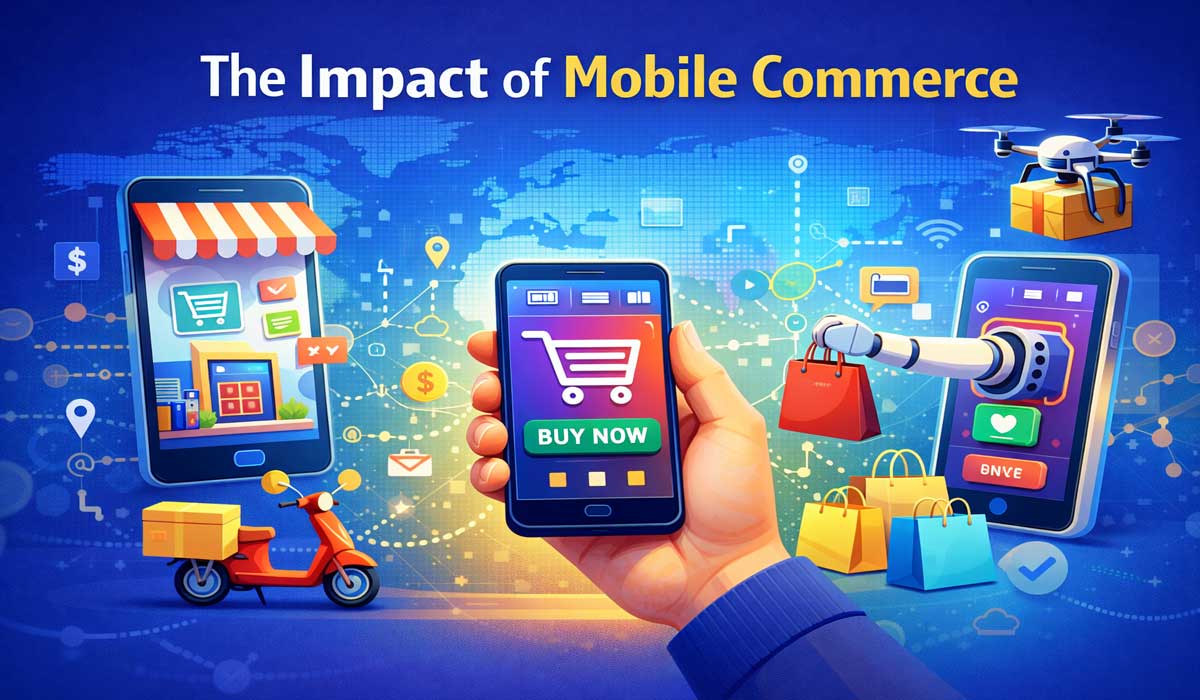
The widespread use of smartphones has played a crucial role in the development of e-commerce marketing. Mobile devices allow consumers to shop anytime and anywhere, creating new opportunities for businesses to connect with potential buyers.
As a result, companies have optimized their websites and campaigns for mobile users. Mobile-friendly designs, shopping apps, and instant payment systems have become essential components of modern e-commerce marketing strategies.
The Future of E-Commerce Marketing
Looking ahead, emerging technologies are expected to further transform e-commerce. Artificial intelligence, augmented reality, and automation are already being integrated into online shopping experiences to enhance customer engagement.
These innovations allow businesses to create immersive and personalized shopping environments. From AI-powered chatbots to virtual product trials, the future of e-commerce marketing will likely focus on providing seamless, convenient, and highly tailored experiences for consumers worldwide.
mage information:
First Image from: 2usepack.com
Second Image from: 2usepack.com