

In today’s highly competitive digital landscape, optimizing digital channels is no longer optional but essential for businesses aiming to grow and stay relevant.

As consumers increasingly rely on online platforms to discover products and services, companies must strategically leverage digital channels to capture attention, build trust, and convert interest into measurable sales outcomes. The following will Digital Marketing Tips discuss Optimizing Digital Channels to Drive Traffic and Increase Sales Effectively.
Success in managing digital channels goes beyond simply having an online presence. It requires a deep understanding of audience behavior, consistent messaging, and the ability to adapt strategies based on data-driven insights. When executed effectively, digital optimization can significantly boost traffic and transform it into sustainable revenue growth.
Understanding Your Target Audience And Digital Behavior
A strong digital strategy begins with a clear understanding of your target audience. Businesses must identify who their customers are, what they need, and how they interact with various digital platforms. By analyzing user demographics, preferences, and online behavior, companies can tailor their messaging to resonate more effectively with their audience.
Equally important is recognizing the digital journey customers take before making a purchase. From awareness to consideration and finally to decision-making, each stage requires different types of content and engagement. Mapping this journey allows businesses to position their brand strategically and guide users smoothly toward conversion.
Leveraging Multi-Channel Marketing For Maximum Reach
Relying on a single digital channel limits a brand’s potential to reach a broader audience. Businesses should adopt a multi-channel approach, utilizing platforms such as social media, search engines, email marketing, and websites to create multiple touchpoints with potential customers. Each channel serves a unique purpose and contributes to overall visibility.
Consistency across channels is key to building a strong brand identity. While each platform may require a different content style, the core message should remain aligned. When executed cohesively, multi-channel marketing enhances brand recognition and ensures that users encounter the brand at various stages of their online journey.
Optimizing Content For Engagement And Conversion
Content plays a critical role in attracting and retaining digital traffic. High-quality, relevant, and valuable content not only captures attention but also encourages users to stay longer and explore further. Businesses should focus on creating content that addresses customer pain points, provides solutions, and builds credibility.
Beyond engagement, content must be optimized for conversion. This includes clear calls-to-action, user-friendly design, and persuasive messaging. Whether it’s a blog post, landing page, or social media campaign, every piece of content should guide users toward taking a desired action, such as making a purchase or signing up for a service.
Also Read: Elevate Your Digital Visibility for Long-Term Success
Utilizing Data Analytics To Refine Strategies
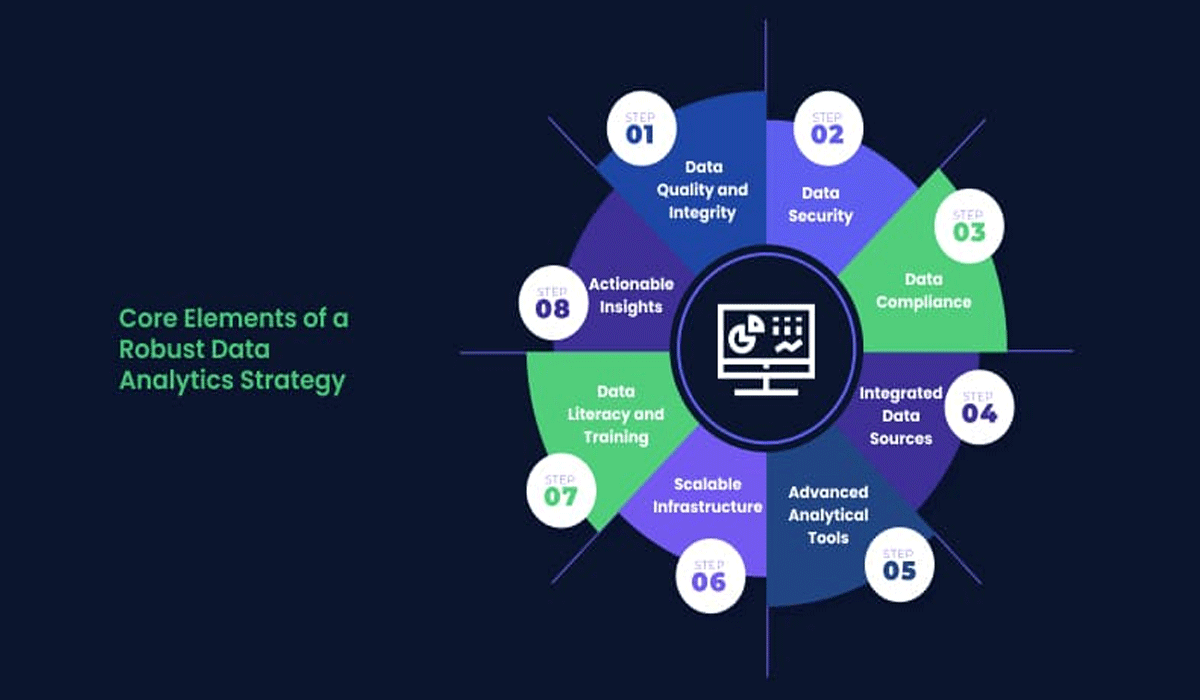
Data analytics is a powerful tool for optimizing digital channels. By tracking key performance indicators such as website traffic, conversion rates, and user engagement, businesses can gain valuable insights into what works and what doesn’t. These insights enable continuous improvement and more informed decision-making.
Regular analysis also helps identify trends and opportunities for growth. For example, understanding which channels generate the highest return on investment allows businesses to allocate resources more effectively. Data-driven strategies not only improve efficiency but also maximize the impact of digital marketing efforts.
Enhancing User Experience Across Digital Platforms
User experience is a critical factor in determining whether visitors stay or leave a digital platform. A well-designed website or application that is easy to navigate, fast-loading, and mobile-friendly can significantly improve user satisfaction and increase conversion rates. Businesses must prioritize seamless interactions across all digital touchpoints.
In addition, personalization plays a key role in enhancing user experience. By delivering tailored content and recommendations based on user behavior, businesses can create a more engaging and relevant experience. This not only increases customer satisfaction but also strengthens brand loyalty over time.
Conclusion
Optimizing digital channels to drive traffic and increase sales requires a comprehensive and well-executed strategy. From understanding the target audience to leveraging multiple channels, creating engaging content, analyzing data, and enhancing user experience, each element plays a vital role in achieving success. Businesses that integrate these components effectively are better positioned to compete in the digital marketplace.
Ultimately, the key lies in continuous improvement and adaptability. As digital trends evolve and consumer behavior changes, businesses must remain flexible and responsive. By consistently refining their strategies and embracing innovation, companies can sustain growth, increase sales, and build lasting relationships with their customers. Stay tuned Digital Marketing Tips or further information so you don’t miss out.
Image Source From
First Photo From: landingi.com
Second Photo of: data-sleek.com