

Achieve digital growth with smart marketing strategies that target audiences, increase engagement, and use data to drive faster business success.
Below, TEACHING will provide some explanations regarding Reinventing Learning Systems for an Innovation-Driven Future.
Understanding Your Target Audience
In the digital age, knowing exactly who your customers are is the foundation of every successful marketing campaign. Businesses must invest time in studying customer demographics, behavior, and preferences. Tools like analytics platforms and social media insights allow companies to track interactions and identify patterns that reveal what audiences truly want.
Moreover, audience segmentation is critical. Not all customers respond the same way to marketing efforts, so dividing them into categories based on age, location, interests, or purchasing behavior—enables businesses to create personalized campaigns. Personalization builds trust and loyalty, and it also makes your marketing budget more effective by focusing efforts on segments most likely to respond positively.
Leveraging Social Media Strategically
Social media platforms are no longer optional; they are essential channels for digital marketing success. Businesses must choose platforms that align with their target audience and industry. For example, visually-driven brands benefit from Instagram and Pinterest, while B2B companies find LinkedIn more effective. Posting consistent, high-quality content and engaging with followers helps build brand recognition and credibility.
Another important aspect is storytelling. Audiences engage more with brands that communicate authentic stories rather than just selling products. Social media allows businesses to create interactive campaigns, live sessions, and polls that foster engagement and community building. By consistently analyzing engagement metrics, brands can refine their strategies, identify what resonates with audiences, and adjust campaigns in real-time to maximize results.
Read Also: The Role of Voice Marketing in Digital Marketing Growth
Optimizing Content for Search Engines
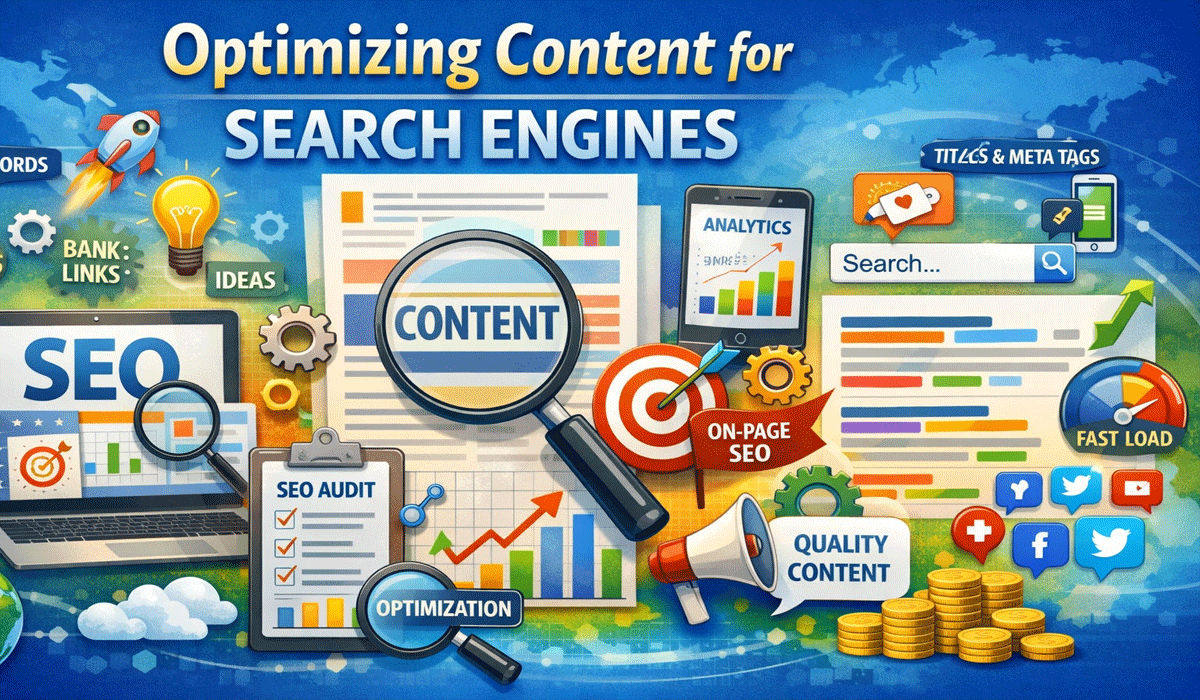
Search engine optimization (SEO) remains a cornerstone of digital success. Producing high-quality content that answers customer queries can significantly improve a website’s visibility on search engines. Keywords, meta descriptions, and backlinks play a pivotal role in ranking higher, which drives more organic traffic to your site.
Additionally, local SEO has become increasingly important for businesses targeting specific geographic areas. By optimizing listings on search engines and maps, companies can attract nearby customers actively searching for products or services they offer. Combining SEO with regular content updates ensures that a business remains relevant, authoritative, and visible to potential customers in the digital landscape.
Harnessing Data Analytics for Continuous Improvement
Data-driven decision-making is what separates successful businesses from the rest. By monitoring campaign performance through analytics tools, businesses gain actionable insights that guide marketing strategies. Metrics such as click-through rates, conversion rates, and customer retention rates reveal which tactics are working and which need refinement.
Furthermore, predictive analytics can anticipate customer behavior, allowing businesses to launch proactive campaigns that meet future demands. By combining historical data with advanced algorithms, companies can forecast trends, personalize experiences, and optimize marketing spend. Businesses that embrace data analytics can make smarter, faster decisions, ultimately driving growth and staying ahead in a highly competitive digital marketplace.
For the latest and most interesting related information, you can also click the TEACHING link.
Image Source:
First Image from 2usepack.com
Second Image from aws.amazon.com