E-commerce is evolving fast, and as 2026 nears, businesses must adapt to new trends to stay competitive and succeed in a changing market.
Online sales growth relies on a solid marketing strategy, and understanding the key tactics can significantly boost your revenue. The following Digital Marketing Tips will explore effective strategies that can help you increase online sales quickly and efficiently in the coming years.
Understanding Your Target Audience
One of the cornerstones of an effective e-commerce marketing strategy is understanding your target audience. Before diving into tactics, you need to know who you are selling to. Conduct market research, analyze demographics, and create buyer personas that outline your ideal customers. The more precisely you can define your audience, the better your chances of creating personalized and targeted campaigns that convert.
Knowing your audience also allows you to determine the most effective marketing channels for reaching them. Whether it’s through social media, email, or search engines, tailoring your messages to resonate with the needs and preferences of your target market will increase engagement and sales. Use data analytics to track customer behavior and continuously refine your understanding of their desires.
Optimizing For Search Engines (SEO)
Search engine optimization (SEO) remains a vital aspect of any successful e-commerce marketing strategy. By optimizing your website for relevant keywords and ensuring that your content is easily discoverable, you can increase organic traffic to your store. Focus on optimizing your product descriptions, category pages, and blog content to align with what your potential customers are searching for.
Moreover, technical SEO plays a crucial role in site speed, mobile responsiveness, and user experience. Google’s algorithm prioritizes websites that load quickly and offer a seamless mobile experience. With more customers shopping on their mobile devices, ensuring your online store is mobile-friendly is a must. By improving your website’s SEO, you can rank higher on search engines and attract more customers.
Leveraging Social Media Marketing
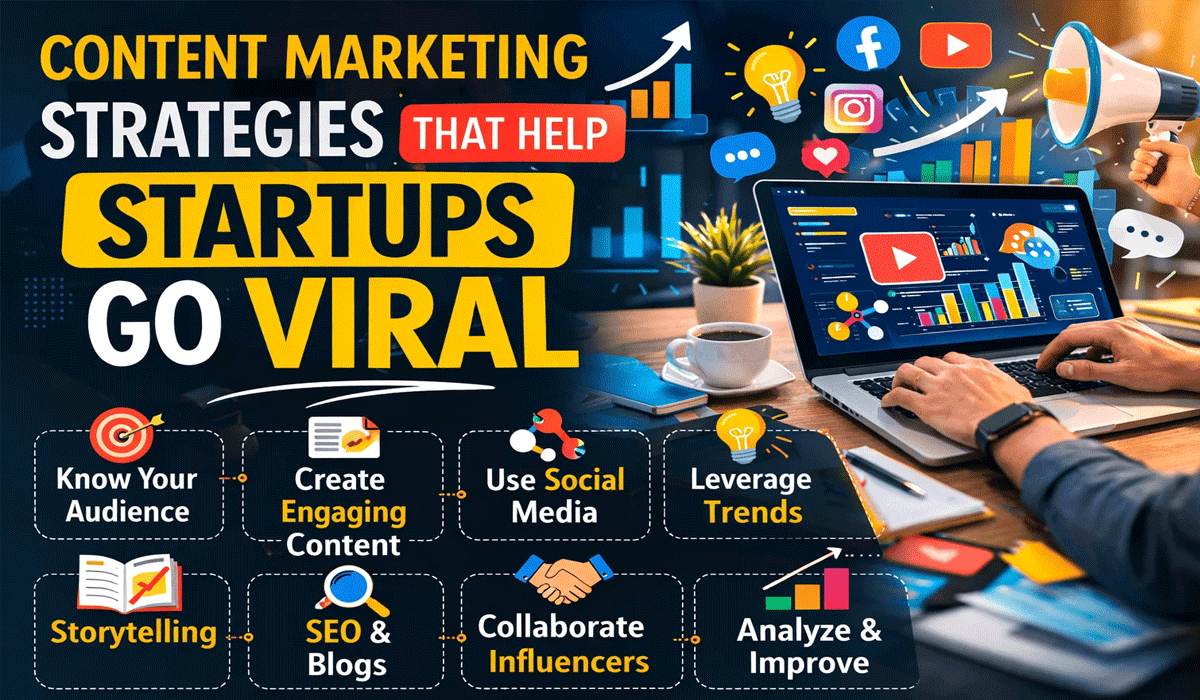
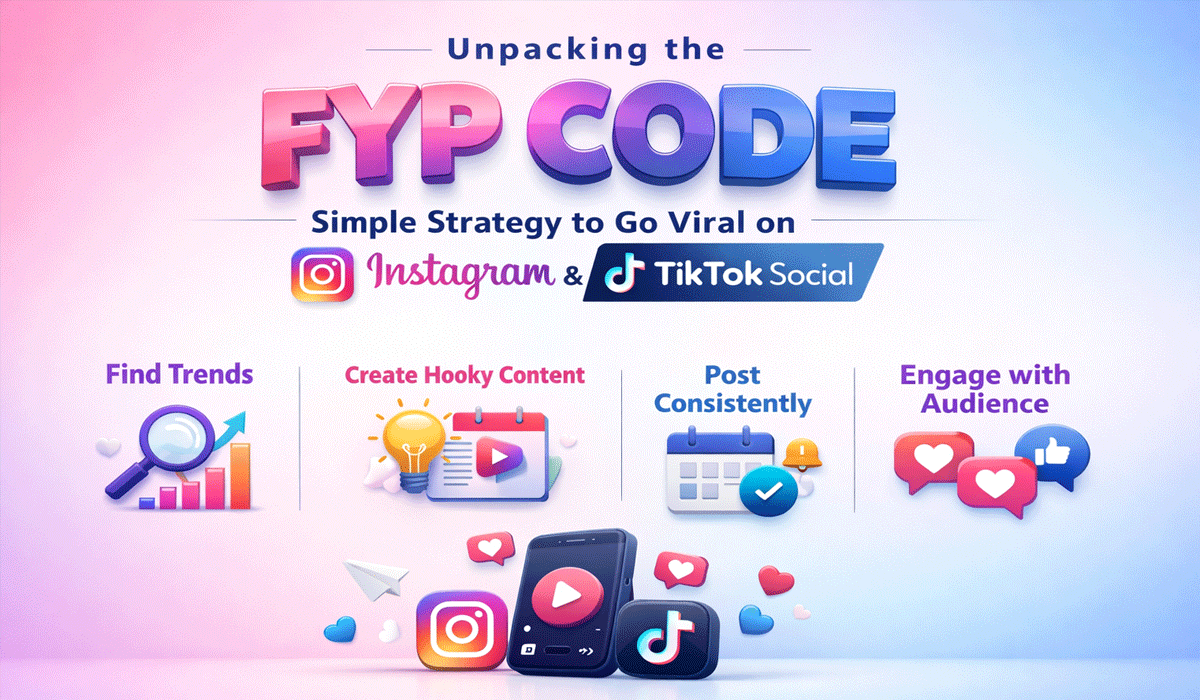
Social media is a powerhouse for e-commerce marketing, and in 2026, it will continue to drive significant traffic and sales. Platforms like Instagram, Facebook, and TikTok allow brands to directly engage with customers and showcase their products in creative ways. To make the most out of social media, invest in high-quality visuals, compelling stories, and interactive content that encourages user participation.
Incorporating user-generated content (UGC) is another powerful tactic for building trust and authenticity. Customers love to see real-life examples of your products in use. Encourage your customers to share their experiences on social media, and feature them on your profiles. This not only boosts engagement but also increases the credibility of your brand, making customers more likely to purchase from you.
Read Also: Social Media Marketing Tricks That Make Your Brand Skyrocket
Personalizing The Customer Experience
Personalization has become a major factor in driving e-commerce sales. In 2026, customers expect brands to offer personalized experiences that cater to their preferences. Utilize data-driven marketing techniques, such as personalized product recommendations, tailored email campaigns, and dynamic website content that adjusts based on the user’s behavior.
Implementing AI-driven chatbots and customer support systems can also enhance personalization. These tools provide instant, 24/7 assistance to customers, ensuring that they have a smooth shopping experience. By making customers feel valued and understood, you increase the likelihood of repeat purchases and brand loyalty, which ultimately drives sales growth.
Running Targeted Paid Ads
While organic traffic is important, paid advertising remains one of the fastest ways to drive sales in e-commerce. Platforms like Google Ads, Facebook Ads, and Instagram Ads offer advanced targeting options that allow you to reach specific segments of your audience. You can create campaigns that are highly relevant to the interests and behaviors of potential customers, increasing the chances of conversion.
To maximize the effectiveness of paid ads, continuously test and optimize your campaigns. Use A/B testing to compare different ad creatives, targeting options, and bidding strategies. By analyzing the results, you can fine-tune your approach and ensure that every dollar spent on ads contributes to increasing your sales and ROI.
Building Customer Loyalty Through Retention Strategies
Acquiring new customers is crucial, but retaining existing customers is equally important for long-term business success. Customer retention strategies should be a core part of your e-commerce marketing plan. Loyalty programs, exclusive discounts, and personalized follow-up emails can keep customers coming back for more.
Additionally, maintaining exceptional customer service and addressing concerns quickly can foster a sense of loyalty. Happy customers are more likely to recommend your brand to others and leave positive reviews, which further boosts your credibility. By focusing on retention, you create a sustainable revenue stream that can continue to grow in the years to come.
Conclusion
E-commerce marketing in 2026 will require businesses to stay agile and adapt to new trends and technologies. By understanding your audience, optimizing for search engines, leveraging social media, personalizing the shopping experience, running targeted ads, and focusing on customer retention, you can significantly boost your online sales.
Implementing these strategies will not only help you stay competitive but also build long-lasting relationships with your customers.
Image Source:
- First Image from: linkedin.com
- Second Image from: messagebuy.com